


Whoa! This whole idea hit me on a rainy morning in Brooklyn. I had just struggled to sign a transaction on my phone and thought, man, there has to be a smoother path. My instinct said a web-first Phantom would fix a lot of friction. Initially I thought mobile-first was the only sensible route, but then realized desktop web access unlocks different workflows and developer ergonomics that are often overlooked.
Really? I mean, yes. Browsers are getting more capable every year. Extensions, web crypto APIs, and better key management paradigms have matured a lot. On the other hand, there are tricky UX and security tradeoffs that people underappreciate, though actually many of those can be mitigated with careful design and user education.
Hmm… the friction I keep seeing is about context switching. You open a Twitter thread, you click a link to a Solana dapp, then your phone wallet prompts popup and you need to switch apps. That breaks flow and kills conversion. Developers lose micro-moments where a new user might sign a transaction, and those lost moments add up to fewer engaged users overall because humans are lazy sometimes, very very lazy indeed.
Here’s the thing. A web wallet that behaves like Phantom but runs in the browser reduces cognitive overhead, and when done right it keeps private keys safe while making dapp interactions seamless. I’m biased, but the web UX can feel more like shopping than gatekeeping, which is crucial for mainstream adoption. If we stitch web wallet sessions, tab persistence, and clear permission models together, we get something that feels native to the browser while still providing strong security guarantees through hardware-backed keys or secure enclaves where possible.
Whoa! Watch this for a second. Imagine a dapp onboarding flow where the user never leaves the page and sees clear, contextual permission prompts. The experience becomes conversational, not confrontational. Developers get higher conversion and users get less anxiety. And yeah, some of those anxieties are cultural, not technical, but tech can help reduce them.
Seriously? Security folks will roll their eyes. They have good reasons to be skeptical. I get that—I’ve argued with auditors and wallet devs many times about tradeoffs. On one hand you want frictionless signing; on the other hand you cannot compromise user keys and reputation.
Hmm… So how do we reconcile those? We build layered protections. Use hardware-backed keys when available, integrate transaction previews that are actionable rather than noisy, and offer easy recovery paths without central custodians. Initially I thought cold storage was the only safe route for high-value assets, but then realized a tiered wallet model makes more sense for most users who hold small balances for everyday dapp use.
Whoa! User mental models matter. Most people understand passwords, less so keypairs. So we need metaphors that land. Call it “session authorization” or “site access” instead of “private key export” and you go a long way. That language change alone reduces support tickets, and design research shows wording affects trust.
Here’s what bugs me about current solutions—too many of them optimize for power users. They assume people want full control at every step. That’s not true for the larger audience. Many folks want quick interactions and secure defaults. So the wallet should offer sensible defaults, but keep advanced toggles for power users tucked away, not shoved in the user’s face.
Whoa! Now let’s dig into dapp integration specifics. A web wallet needs a robust provider API that mirrors Phantom’s extension API, but with added features for session continuity across tabs and explicit site-bound keys. Developers need reliable hooks for signing messages, proposing transactions, and querying permissions without entering a loop of permission popups that degrade UX. If the API is consistent, building onboarding flows becomes much less painful, and we reduce fragmentation across the Solana ecosystem.
Seriously, developer experience matters as much as end-user UX. Good DX gets you integrations and integrations get you network effects. I’m not 100% certain about every API choice, but pragmatic iteration wins: ship something that works, observe how people use it, and improve from there. On balance, the faster feedback loop of web deployments lets teams iterate quickly.
Whoa! Let’s be honest about wallets and phishing. The web surface is more visible to attackers. That is a real risk. We need UI patterns that educate users without overwhelming them. Passive indicators like site-bound icons, subtle microcopy, and transaction previews that highlight unusual instructions are small changes with outsized impact. Those changes reduce accidental approvals and empower users to catch social-engineering attempts.
Hmm… I also think recovery UX deserves more nuance. Many recovery flows assume users will safely store seed phrases forever, which is rarely true. Offer multi-path recovery—hardware, social recovery, email-linked attestations—while making sure no single recovery path becomes a systemic vulnerability. Initially I thought social recovery was risky, but when it’s cryptographically constrained and optional it actually gives people safer routes back into their accounts than scribbling a seed on a napkin.
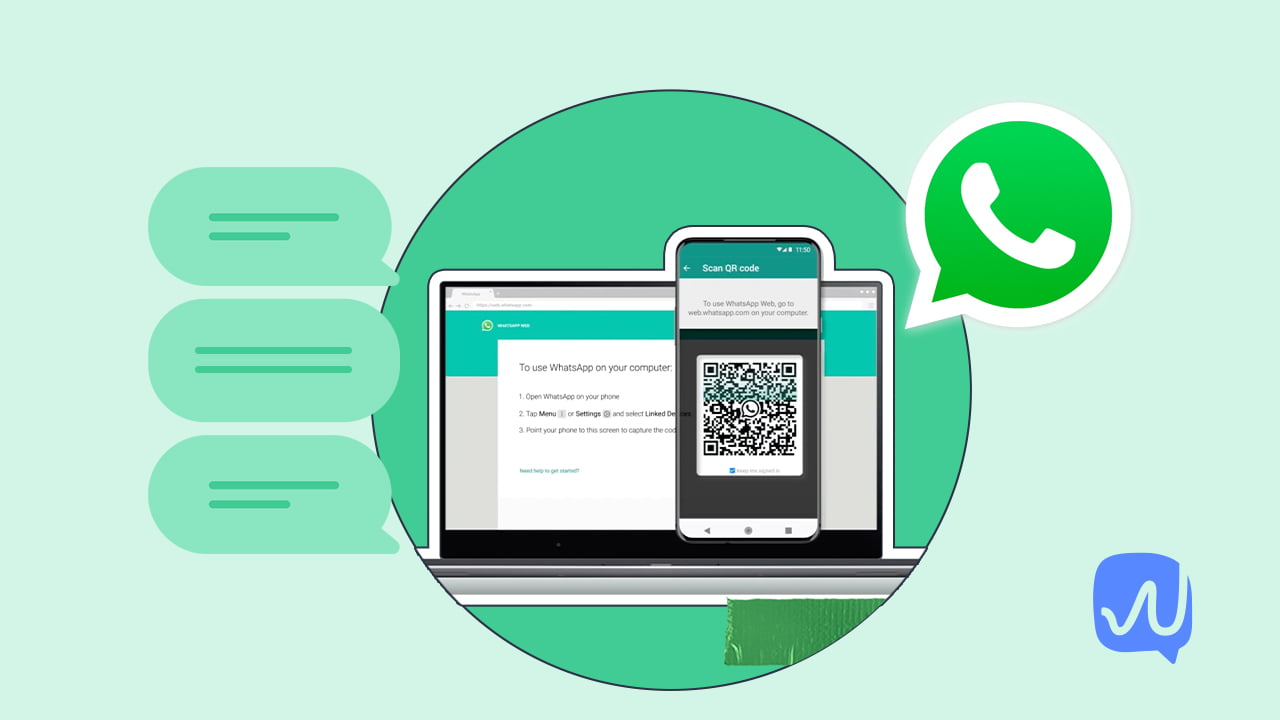
How this web wallet ties into Solana dapps
Whoa! Dapps want predictable UX. Developers should be able to rely on a covenant of standards that the wallet enforces around permissions and session lifetimes. The wallet must make it easy to list owned tokens, to sign transactions, and to subscribe to account updates without forcing the dev to handle exotic edge cases. For readers who want to try a prototype or see a working example, check here—it demonstrates many of these flows in action, and it helped shape my thinking.
Seriously, on-chain UX is more than signing. It’s about state synchronization and race conditions. If a user approves multiple transactions across tabs, the wallet needs to show consistent ordering and conflict resolution. Design for eventual consistency while giving users clear, real-time feedback about pending operations, confirmations, and failures. Those little real-time cues build trust more than verbose security warnings ever will.
Whoa! There’s also the cost model to consider. Solana has cheap fees, but UX still needs to tell users what they’re paying and why. Transaction batching, fee estimation, and priority options help power users without burdening newbies. Offer a default “economical” selection and leave “priority” as an opt-in, and you’ll make most users happier while still catering to high-frequency traders and arbitrage bots.
Hmm… Let’s not forget wallets as platforms. Extensions and mobile apps have network effects, but a web-native wallet can become a platform too, offering embeddable widgets and analytics for dapp teams. That opens monetization questions, which I admit make me uneasy—there’s a fine line between useful features and surveillance. I’m biased toward minimal telemetry and opt-in business models, so I’d err on privacy-first defaults.
Whoa! Now, governance and upgrades. A web wallet needs a transparent upgrade path and strong code provenance to maintain trust. Signed releases, reproducible builds, and public audit trails should be table stakes. I used to assume closed-source releases were acceptable for speed, but experience shows that openness builds community trust faster than feature-locked secrecy.
Seriously though, where does this leave user education? You can’t expect everyone to read a whitepaper. Micro-interactions and just-in-time help are better. Tooltips, contextual help, and short animated guides that show what happens during a transaction are far more effective than long docs that nobody reads. Those small touches reduce mistakes and support load.
Whoa! Thinking about edge cases: what if a user loses their device mid-session? The web wallet should expire sessions gracefully and provide transparent revocation controls. Let users see active sessions, force logout remotely, and revoke site permissions without jumping through hoops. These administrative features feel like enterprise tooling, but regular users benefit too—especially when they share devices with family.
Initially I thought wallet UX improvements were purely cosmetic, but then I watched real users flinch at tiny permission dialogs, and I changed my mind. Small design shifts translate to meaningful gains in confidence and retention. On the other hand, skeptics will say attackers will always find a way, though actually many breaches are social-engineering—reduce those and you improve outcomes significantly.
Whoa! Okay, so what should teams do next? Build a minimal web-first wallet prototype, plug it into a couple of high-traffic dapps, and measure conversion and error rates. Iterate quickly, keep telemetry minimal, and prioritize features that lower cognitive load. I’m not prescribing a one-size-fits-all blueprint; rather, I’m encouraging pragmatic experiments that are grounded in user behavior.
Hmm… I’ll be honest, some of this is messy. There will be tradeoffs and imperfect compromises. But the promise is real: a well-designed web Phantom-like experience can make Solana dapps feel approachable without sacrificing security. It’s a space worth investing in, and if you’re building one, know that many of us are watching, testing, and ready to help.
FAQ
Will a web wallet be as secure as a mobile wallet?
Short answer: not automatically, but it can be. Use hardware-backed keys where possible, tiered access controls, and clear session management. The web surface is larger, so defense in depth matters—UX cues, transaction previews, and optional hardware confirmation all help mitigate risk.
Can dapps trust a web wallet for high-value transactions?
On one hand, yes—they can build checks for value thresholds and request hardware confirmation for large transfers. On the other hand, policies must be configurable because different communities accept different risk profiles. Offer defaults that favor security, while letting advanced users opt into faster flows.